Remember that panic when someone gets sick and you can’t find their vaccine history? Last winter, I spent hours digging through old folders while my child ran a fever. That moment pushed me to rethink how we manage health records at home. What I discovered wasn’t just about digital files—it transformed how we prepare for seasonal illnesses, communicate with doctors, and support each other’s well-being. It’s simple, personal, and quietly powerful. I didn’t need a medical degree or expensive software. Just a few thoughtful changes helped us feel more in control, save time, and even avoid unnecessary doctor visits. If you’ve ever felt helpless during a sick child’s coughing fit or scrambled to recall your mom’s medication list, this is for you.
The Winter Crisis That Changed Everything
It started with a cough. My youngest woke up one Tuesday morning with a dry, rattling sound that made my stomach drop. By noon, his cheeks were flushed and his temperature had climbed to 102°F. I called our clinic, heart pounding, and was told to bring him in right away. That’s when the real stress began—not from the fever, but from the frantic search for his medical history.
I tore through the kids’ school folders, old birthday cards, and even the junk drawer, hoping a vaccination record had somehow landed there. My husband was digging through the filing cabinet in the basement. Meanwhile, my daughter was trying to comfort her brother, asking if he was going to be okay. I felt helpless—not just as a mom, but as the person responsible for knowing what shots he’d had, when he’d had his last strep test, and whether that antibiotic last year had caused a rash.
When we finally got to the clinic, I handed the nurse a crumpled piece of paper with scribbled notes. She smiled politely, but I saw the hesitation. They had to call the pediatrician’s office to verify dates. The doctor asked questions I should’ve been able to answer: Has he had RSV before? Any history of asthma? Was he up to date on his flu shot? I mumbled through half-responses, feeling both embarrassed and overwhelmed. That night, lying awake next to my sleeping child, I made a promise to myself: never again.
That moment wasn’t just about one bad day. It revealed a deeper truth—our family’s health information was scattered, outdated, and hard to access when it mattered most. We weren’t alone. Many of us keep records in random places: the pediatrician’s office, the school nurse’s file, a folder in the car, or worse—nowhere at all. But winter, with its colds, flu, and respiratory viruses, turns disorganization into real risk. Missing a vaccine date could mean a delayed diagnosis. Forgetting a medication reaction could lead to a repeat prescription. And in those urgent moments, every second counts.
Why Seasonal Shifts Demand Smarter Record Keeping
Here’s something no one tells you: our health needs change with the calendar. Spring isn’t just about blooming flowers—it’s also peak allergy season. My daughter starts sneezing in April, her eyes watering within days of the first warm spell. Summer means camp forms, sports physicals, and travel vaccines. And winter? That’s when the coughs start, the fevers spike, and we’re all reaching for tissues and thermometers.
Before, we reacted to each season like it was a surprise. But now, I plan ahead—just like I pack winter coats in November or sunscreen in June. I realized that organizing health records by season, not just by person, made all the difference. Instead of waiting for a crisis, we prepare. For example, in late October, I pull up our family’s flu shot records. I check who’s due, who’s already had it, and whether the school requires proof. I do the same in March for allergy tracking—recording symptoms, peak days, and medication use so we can show the allergist clear patterns.
This shift—from reactive to proactive—has changed how we interact with healthcare. Our doctor visits are shorter, more focused, and more productive. Instead of spending 15 minutes going over history, we dive into treatment. Last spring, my partner was able to hand the allergist a simple chart showing my daughter’s symptom trends over six weeks. No guessing, no memory lapses—just facts. The doctor adjusted her nasal spray dosage right then and recommended an environmental scan of our home. That kind of clarity only comes from consistent tracking.
And it’s not just about kids. My mother visits every winter, and she has a history of high blood pressure and seasonal joint pain. In the past, I’d have to call her doctor or ask her to remember everything. Now, I keep a seasonal update file—started in November—where I log her medications, recent readings, and any new concerns. When she sees her physician during her visit, I can email the summary ahead of time. No more forgotten details, no more stress. It’s like giving her a voice when she’s too tired to explain.
Turning Your Home Into a Health-Ready Space
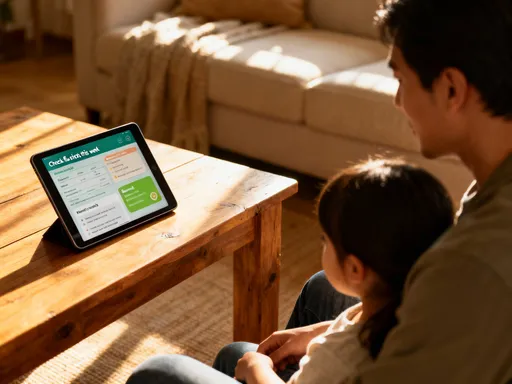
You don’t need a home office or a fancy setup. What changed for us was creating one small, intentional space where health information lived—not buried in a drawer, but visible and accessible. I cleared a corner of our living room bookshelf, the one near the couch where we all gather in the evening. I placed a tablet there, dedicated only to family health and school records. No games, no streaming—just a calm, purposeful device.
Beside it, I put a small notebook for quick notes—like when someone mentions a new symptom or a reaction to food. It’s not meant to replace digital records, but to capture those fleeting moments before they’re forgotten. On the wall above, I hung a simple whiteboard with seasonal reminders: Flu shots by Nov 15, Asthma plan review – March, Camp forms due – May 1. These aren’t strict deadlines, but gentle nudges that keep us on track.
The real magic happened when everyone started using it. My teenager, who used to roll her eyes at anything ‘organized,’ now updates her own section when she has a doctor’s visit or needs to track her seasonal headaches. She even set up a reminder on the tablet for her annual physical. My husband uses it to log his blood pressure readings every few weeks. And when my mom visits, she knows exactly where to find her file—she calls it ‘her corner,’ and that small sense of ownership makes her feel respected and included.
This space became more than a storage spot—it became a communication hub. Instead of yelling from different rooms, Did you take your inhaler? or When was your last tetanus shot?, we check the tablet together. It reduced arguments during stressful times. When someone is sick, emotions run high. But having a shared, neutral place for facts helped us stay calm and focused. We weren’t guessing. We weren’t blaming. We were simply looking at the information and deciding what to do next.
How We Built a System That Actually Works
I’ll be honest—I was scared of making this too complicated. I’ve tried apps before that promised to organize everything but ended up overwhelming me with features I didn’t need. So this time, I kept it simple. No subscriptions, no downloads, no learning curve. Just the tools we already had: our phones, a cloud storage account (the kind most of us use for photos), and a shared folder labeled ‘Family Health Hub.’
Inside, I created three main sections: by person, by condition, and by season. Each family member has their own subfolder—mine, my husband’s, the kids’, and my mom’s when she visits. Inside each, I store vaccination records, doctor summaries, medication lists, and any test results. The ‘by condition’ section holds things like allergy logs, asthma action plans, and blood pressure charts. And the ‘by season’ folder? That’s where we keep time-sensitive items: flu shot confirmations, camp forms, school health requirements, and seasonal symptom trackers.
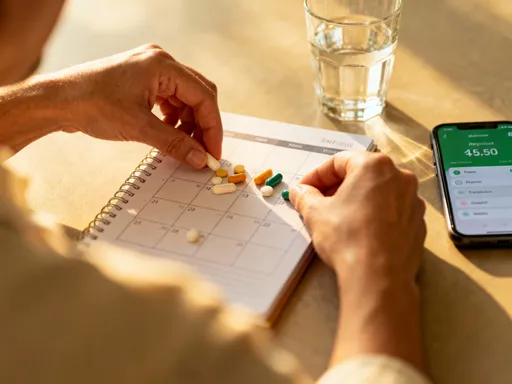
What made this work wasn’t the structure—it was the routine. Every season, we spend 20 minutes together updating the files. In the fall, we check flu shots and cold season prep. In spring, we review allergies and update school forms. It’s not a chore. We do it with tea, sometimes with music, turning it into a family moment. The kids help scan papers or take photos of new records with the tablet’s camera. My husband uploads his latest blood work. I make sure the summaries are clear and easy to read—using bullet points, not paragraphs.
One of the biggest wins? Doctor visit prep. Now, a day before any appointment, we pull up the relevant files and create a one-page summary. For my daughter’s allergist, it includes her symptom log, medication changes, and any new triggers we’ve noticed. For my mom, it’s a list of current meds, recent readings, and questions we want to ask. We email it to the office ahead of time. The feedback from doctors has been amazing—You’re so prepared, one told me. This saves us so much time. That simple page has helped us avoid three unnecessary visits this year—times when the doctor reviewed the info and said, No need to come in—let’s monitor at home.
Real Moments That Showed the Difference
It’s the quiet moments that convinced me this was worth it. Like last April, when my daughter woke up with puffy eyes and a runny nose. Instead of guessing whether it was a cold or allergies, I pulled up her symptom tracker from the past month. I could see a clear pattern: worse on high pollen days, better indoors, no fever. I showed it to the allergist during a telehealth call. Within minutes, he confirmed seasonal allergies and adjusted her medication. No trial and error. No waiting to see what would happen.
Or the weekend my mother came down with a cough. I quickly accessed her health file, checked her medication list, and saw she was on a blood pressure drug that can sometimes cause a dry cough. I mentioned it to her doctor, who agreed to switch it. That small detail—easily missed in a rushed visit—made a big difference in her comfort.
Then there was the school form deadline I almost missed. The camp required proof of a tetanus shot and a physical. In the past, I’d have panicked, called the pediatrician, waited for records, and paid a rush fee. This time, I opened the seasonal folder, found the scanned documents, and uploaded them in two minutes. My daughter got her spot—and I kept my sanity.
These aren’t dramatic stories. No ER saves or life-threatening revelations. But they add up. Each time we avoided a miscommunication, each time we saved an hour on hold with an office, each time we felt prepared instead of panicked—that built something deeper: peace of mind. And for a busy mom, wife, and daughter of aging parents, that’s priceless.
Keeping It Simple, Secure, and Human
I know what you might be thinking: What about privacy? It’s a real concern. We’re talking about medical information—sensitive, personal, important. But you don’t need a cybersecurity degree to keep it safe. Here’s what we do: the cloud folder is protected with a strong password, and we use two-factor authentication. The tablet is locked with a fingerprint scan. We don’t share the login with anyone outside the family. And we never store anything on public devices or unsecured networks.
More importantly, we treat this system with care, not fear. It’s not about being perfect. Sometimes a record gets misplaced. Sometimes we forget to update. That’s okay. The goal isn’t tech perfection—it’s showing up for each other. A few minutes every season keeps us current. A shared understanding keeps us connected.
And the emotional benefits? They surprised me. I argue less with my husband during sick seasons because we’re not blaming each other for forgotten details. My kids feel more involved in their health, which builds responsibility. My mom feels respected, not managed. We’ve turned something clinical into something deeply human. It’s not just about data—it’s about dignity, care, and love.
A Calmer, More Connected Way to Care
Looking back, I realize this wasn’t just about organizing files. It was about rethinking how we care for each other. In our busy lives, we often wait for a crisis to act. But real care happens in the quiet moments—the planning, the listening, the preparing. This system became a small but meaningful ritual, a way to say, I see you. I’m here. I’ve got your back.
It’s made us more resilient, especially when seasons bring health challenges. We’re not overwhelmed. We’re not scrambling. We’re ready. And that shift—from reactive to proactive, from chaotic to calm—has changed the tone of our home. There’s less stress, more support. Fewer late-night panic searches, more peaceful nights.
Technology didn’t fix everything. A tablet and a folder won’t cure a fever or stop a cough. But they gave us something just as valuable: control. Clarity. Connection. And the quiet confidence that when someone gets sick, we won’t be lost in the paperwork. We’ll be right there, with the information we need, ready to help.
If you’re reading this and thinking, I don’t have time for one more thing, I get it. But this isn’t about adding more. It’s about making what’s already there work better. Start small. Pick one season. One family member. One folder. You don’t need to do it all at once. Just begin. Because the next time someone wakes up with a fever, you’ll be ready—not just with records, but with the deep, quiet strength that comes from knowing you’ve done everything you can to protect the ones you love.