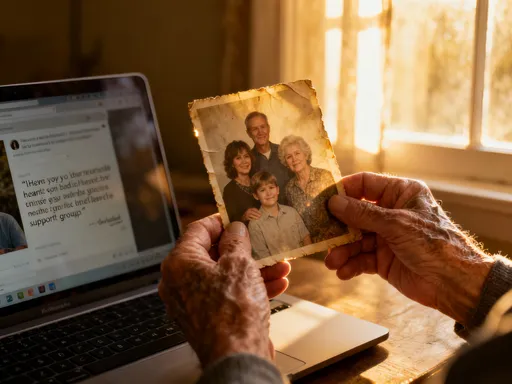
Have you ever shared your morning run with someone just by tapping a button? I didn’t think much of it—until I slipped on a trail and my app automatically alerted my sister. That moment changed everything. It wasn’t just tracking calories or pace anymore; it became my silent guardian. This is the real story of how an exercise app did more than count reps—it gave me peace of mind, connected me to loved ones, and made my daily routine feel safer, smarter, and deeply personal.
The Morning Run That Changed Everything
It was a cool, drizzly Thursday morning—the kind where the air smells like wet earth and fallen leaves. I had laced up my favorite running shoes, clipped my phone to my armband, and headed out for a solo trail run through the woods near my home. Nothing unusual. Just me, my playlist, and the rhythm of my breath. I’ve always found something calming about moving through nature, especially when the world feels too loud. That day, though, the quiet turned dangerous in an instant.
About halfway through my run, my foot caught on a moss-covered root. I remember the jolt, the sudden loss of balance, and then the sharp pain in my hip as I landed hard on the uneven ground. My phone tumbled out of my pocket and skidded into a patch of thick ferns. I tried to reach it, but my leg wouldn’t cooperate. For a few breathless moments, I just lay there, stunned and scared. I was alone, far from the road, and couldn’t call for help.
And then—my sister called. Not because she was expecting it. Not because I’d texted her. But because my workout app had triggered an automatic fall detection alert after sensing a sudden stop and lack of movement. Within seconds, it sent a notification to my emergency contact with my real-time location. My sister, seeing the alert, called me. When I didn’t answer, she dialed 911 and gave them the GPS coordinates from the app. An officer found me less than ten minutes later. I was okay—just bruised and shaken—but I still get emotional thinking about how close it was.
That morning, my fitness app didn’t just track my heart rate or distance. It saved me. Not dramatically. Not with flashing lights or dramatic beeps. It worked quietly, efficiently, and without me even knowing—until I needed it most. That’s when it stopped being just a tool for fitness and started feeling like a trusted companion.
From Tracker to Trusted Companion
When I first downloaded the app, I had no idea it could do anything beyond counting my steps or mapping my route. I was trying to get back into running after having my youngest, and I wanted something to keep me accountable. At first, that’s all it was—a digital logbook. I’d tap “Start,” run my usual loop, and then check my stats afterward. How far? How fast? Did I beat last week’s time? It felt good to see progress, but honestly, it was easy to forget about the app the moment I stopped moving.
But over time, I started noticing little things. Like how the app would pause automatically when I stopped at a crosswalk or stepped off the trail to catch my breath. Or how it gently reminded me to hydrate after a long session. Then there was the live location sharing feature—something I’d ignored at first. One day, I tapped it just to test it, and my best friend got a notification that she could follow my run in real time. She texted me, “I’m watching you jog past the bakery—don’t stop for a muffin!” It made me laugh, but it also made me feel seen.
Those small features started adding up. The app wasn’t just recording my workouts—it was paying attention. It knew when I usually ran. It noticed if I strayed from my usual path. It even had a voice-activated emergency command I could say if I felt unsafe. I didn’t think much about it until that fall, but looking back, it was like having a quiet, watchful friend with me every time I stepped out the door.
What changed for me was the shift in mindset. I stopped seeing the app as a gadget for vanity metrics—like how many calories I burned or how many steps I took—and started seeing it as a safety net. It wasn’t about looking good or hitting a number. It was about feeling secure. And that made all the difference.
Why Security Feels Invisible—Until You Need It
The best protection doesn’t shout. It whispers. It’s there in the background, doing its job without demanding your attention—until the moment you need it. That’s exactly how I’d describe the safety features in my workout app. They’re not flashy. You won’t see pop-ups bragging about them every time you open the app. But they’re always working, like a quiet hum beneath the surface of your daily routine.
Take low-battery warnings, for example. Most of us just see them as an annoyance—another reason to plug in our phones. But in my app, that warning comes with a little nudge: “Battery low. Would you like to check in with a trusted contact?” It’s such a small thing, but it’s thoughtful. If I’m out running and my phone is about to die, that reminder makes me pause and let someone know I’m okay. It turns a technical alert into an emotional safety check.
Then there’s the route history. After every workout, the app saves where I’ve been. I never thought much about it—until my husband asked me one day, “Did you run past the new coffee shop?” He’d checked the map after I got home. It wasn’t about tracking me. It was about knowing I’d made it back safely. If I’d taken an unusual detour or hadn’t returned on time, he’d have a starting point to look for me.
Another subtle but powerful feature is automatic pause detection. If I stop moving for more than a minute, the app asks if I’m okay. If I don’t respond, it sends an alert. That’s what happened during my fall. I didn’t have to press a button or shout a command. The app just knew something was off. It didn’t assume the worst—but it didn’t ignore the possibility either. It balanced caution with care.
These features don’t make the app feel like a surveillance tool. They make it feel like it cares. And that’s the magic of good design—when technology blends so smoothly into your life that you forget it’s there… until you’re grateful it is.
Sharing My Run, Not Just My Stats
One of my favorite features is the ability to share my live workout with just one tap. I can send a link to my mom, my sister, or my best friend, and they can watch my progress in real time on their phone. It’s not about showing off. It’s not about getting likes or comments. It’s about connection. It’s about knowing that even when I’m out there alone, someone I love is with me in spirit.
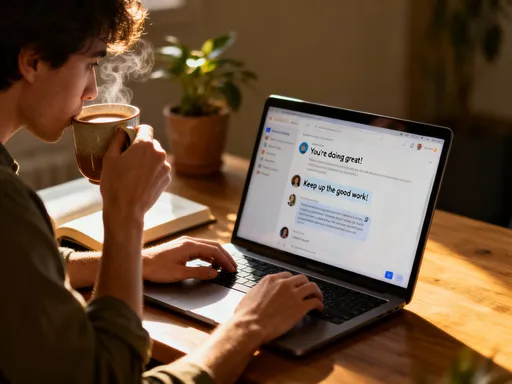
I’ll never forget the first time I used it after my fall. I was easing back into running, still nervous about being alone on the trails. I tapped the share button and sent the link to my sister. A few minutes later, my phone buzzed. “I see you’ve reached the bridge,” she wrote. “You’re doing great.” That simple message gave me a boost of courage. It reminded me I wasn’t facing this recovery alone.
There was another time, during a tough week when I was juggling work, family, and my own health. I felt drained and unmotivated. But I laced up anyway and started a slow jog. Halfway through, I got a voice message from my mom: “I’ve been watching your little dot move across the map. I’m so proud of you.” I cried—right there on the sidewalk. It wasn’t the run that mattered most. It was the love behind it.
Sharing my run has become a quiet ritual. It’s how I say, “I’m okay.” It’s how my family says, “We’re here.” And in a world that often feels disconnected, that small act of digital togetherness means more than I can put into words.
Setting Up Safety Without the Stress
I know what you might be thinking: “This all sounds great, but I’m not exactly tech-savvy. How do I even set this up?” I used to feel the same way. I’d open the app settings and get overwhelmed by all the options. But the truth is, setting up these safety features takes less time than brewing a pot of coffee—and you only have to do it once.
Here’s how I did it, step by step. First, I went into the app’s safety settings—usually found under “Privacy” or “Emergency.” There, I added my sister and my husband as trusted contacts. All I had to do was type in their names and phone numbers. No passwords, no complicated codes. Just a few taps.
Next, I turned on fall detection. It’s not on by default, so I had to enable it manually. Once it was active, the app started using motion sensors to detect sudden impacts or long periods of stillness. I also turned on automatic check-ins, which sends a notification to my contacts if I don’t end my workout within a certain time. I set it to 30 minutes—just enough time for a short run, but long enough to trigger an alert if something went wrong.
Then came live location sharing. I made it easy by saving it as a favorite option, so I can share my run with one tap. I also set up a voice command—“Hey [App Name], I need help”—that sends my location and alerts my contacts if I ever feel unsafe. I’ve never had to use it, but just knowing it’s there makes me feel more confident.
The whole process took me less than ten minutes. And now, every time I go for a run, I know I’m protected. You don’t need to be a tech expert to stay safe. You just need to take that first small step.
Real Life, Real Protection: Stories from Others
After my fall, I started reading stories in online fitness communities—places where runners, walkers, and gym-goers share their experiences. I was surprised by how many people had similar stories. It wasn’t just me. So many of us are using these apps in ways we never expected—ways that go far beyond fitness.
One woman shared how her app detected an unusually high and irregular heart rate during a routine walk. It flagged it as a potential concern and suggested she see a doctor. She did—and was diagnosed with an early stage heart condition that could have gone unnoticed. Thanks to that alert, she got treatment early and is now doing much better.
Another story came from a dad who works late at the gym after dropping his kids at school. He uses location sharing so his teenagers can see when he’s on his way home. “It gives them peace of mind,” he wrote. “And honestly, it gives me comfort too. I know they’re not worrying.”
Then there was a cyclist who was involved in a minor accident on a remote road. Her phone was damaged, but the app had already sent her last known location to her emergency contact. Her husband called for help and directed paramedics to the spot. She said, “I didn’t think twice about the safety features when I downloaded the app. Now, I can’t imagine exercising without them.”
These aren’t rare, one-off incidents. They’re becoming more common as apps get smarter and more intuitive. And what ties all these stories together isn’t just technology—it’s care. It’s the way a simple feature can become a lifeline when we need it most.
Tech That Cares: What This Means for Everyday Life
When I think about that rainy morning on the trail, I don’t just remember the pain or the fear. I remember the relief. The moment my sister’s voice came through the phone, I knew I wasn’t alone. And that’s what these apps are really about—not data, not performance, but presence. They remind us that we’re seen, we’re cared for, and we’re not out there by ourselves.
Technology often gets a bad rap for pulling us away from real connection. But in this case, it’s doing the opposite. It’s helping us stay close to the people we love, even when we’re apart. It’s giving us the freedom to move, to explore, to live fully—without having to carry all the worry on our own.
For women especially, who are often taught to be cautious when out alone, this kind of support can be life-changing. It’s not about fear. It’s about empowerment. It’s about having tools that let us live boldly, safely, and with confidence.
And it’s not just for runners or athletes. Whether you’re walking the dog, biking to the store, or heading to a late-night yoga class, these features can make a difference. They’re not about preparing for disaster. They’re about building a life where you feel secure enough to enjoy every moment.
So the next time you open your workout app, take a second to look beyond the numbers. Check your safety settings. Add a trusted contact. Try sharing your next walk with someone you love. You might not need it today. But when you do, you’ll be so glad it’s there.
Because the truth is, the best technology doesn’t just make us faster or stronger. It makes us feel safer, more connected, and deeply cared for. And sometimes, that’s the most powerful workout of all.