Have you ever wanted to share a heartfelt moment with your family but didn’t know where to start? Many older adults have rich life stories, but feel stuck when it comes to technology. That’s changing. With simple video editing tools, turning memories into meaningful videos is now within reach. This isn’t about mastering complex software—it’s about expressing yourself, connecting with loved ones, and feeling proud of what you can create. And the best part? You don’t need to be tech-savvy. You just need a memory, a moment, and the desire to share it. This is your story—and now, you have the power to let it be seen and heard.
The Silent Stories in Every Living Room
Walk into any home where someone’s lived for decades, and you’ll feel it—the quiet presence of stories waiting to be told. The well-worn armchair where Grandpa sat every evening with his coffee. The kitchen drawer full of recipe cards in shaky handwriting. The photo albums tucked away on a high shelf, their corners bent from years of being pulled down and flipped through. These aren’t just objects—they’re vessels of memory. And behind them are voices, laughter, struggles, and triumphs that shaped a life.
Yet so many of these stories go untold. Not because they’re unimportant, but because sharing them feels overwhelming. How do you begin? Where do you even start when your life has so many chapters? And if you’re not comfortable with technology, the idea of recording or editing a video can feel like climbing a mountain in flip-flops. I get it. I’ve sat across from women just like you—kind, wise, full of warmth—and watched their eyes light up when they talk about the past, only to dim when they say, “But no one wants to hear all that.”
Here’s what I want you to know: your stories are wanted. They’re needed. Your grandchildren will one day wish they could hear your voice telling them about your first job, your wedding day, how you learned to make that amazing apple pie. And right now, in this moment, you have the power to give them that gift. Not in text. Not in a fleeting phone call. But in something lasting—something they can watch, rewatch, and pass down. The digital world doesn’t have to be cold or confusing. It can be warm, personal, and deeply human. And it can start with just one video.
Why Video? The Power of Seeing and Hearing Loved Ones
Let’s talk about why video is different. Think about the last time you found an old photo—maybe a black-and-white one of your parents or grandparents. You study their faces, try to imagine their voices, wonder what they were like. Now imagine if you could press play and hear your grandmother laugh, see her eyes crinkle when she smiled, hear the way she said your name. That’s the magic of video. It doesn’t just show a moment—it brings it to life.
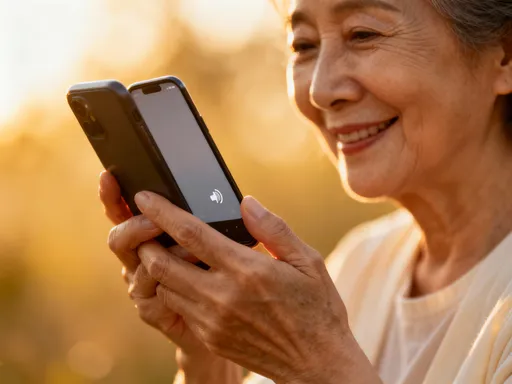
For families spread across cities or even continents, video becomes a bridge. When your daughter’s family is in California and you’re in Maine, a quick text saying “I miss you” is nice. But a 60-second video of you sitting in your garden, talking about the roses you planted with your mom, humming that old tune she used to sing—now that’s connection. That’s love made visible. And for the younger generation, especially kids and teens who may never have met their great-grandparents, these videos are priceless. They don’t just learn family history—they feel it.
There’s also something deeply comforting about seeing and hearing yourself speak your truth. As we age, our memories can sometimes feel slippery, like pages of a book caught in the wind. But when you record your voice telling a story, you’re not just preserving it for others—you’re anchoring it for yourself. And the act of sharing? It’s empowering. One woman I spoke with, Mary, started making videos at 72 after her husband passed. “I didn’t want to be forgotten,” she said. “And now, when my grandkids watch me talk about their dad as a little boy, they smile. They feel close to me. And I feel… seen.” That’s not just technology. That’s healing.
“I’m Not Tech-Savvy”—Breaking the Myth
Let’s pause here, because I know what some of you might be thinking: “That all sounds lovely, but I don’t even know how to turn on my tablet properly.” First, take a deep breath. You don’t need to be a tech expert. In fact, the tools today are built for people exactly like you—people who care more about connection than about filters or fancy effects.
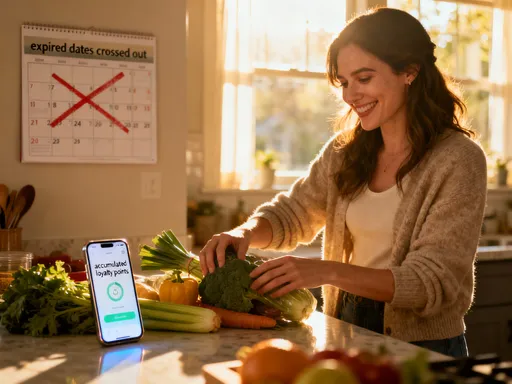
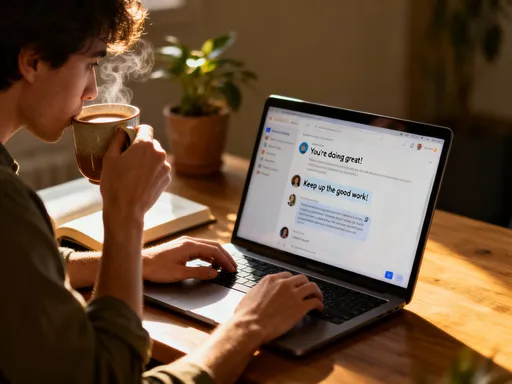
Think of video editing now like using a digital photo frame. You don’t need to understand how it works inside—you just want it to show your pictures. Today’s video apps are designed the same way. They’re intuitive. They use big buttons, clear icons, and simple words like “Add Music” or “Trim Clip.” Some even talk you through the steps with a friendly voice. No jargon. No confusing menus. And the best part? Most of them are already on your phone or tablet—free to use.
I remember helping my friend Diane, who swore she “wasn’t a computer person,” make her first video. We sat at her kitchen table with her iPad. I showed her how to open the Photos app, tap on a few clips of her garden, and drag them into order. Then we added a title: “My Little Eden.” She picked a soft piano song from the music library. Ten minutes later, she had a video. She watched it, tears in her eyes, and said, “I made this? Really?” Yes, Diane. You really did. And that’s the truth: you don’t need to be tech-savvy. You just need to want to share. The tools will meet you where you are.
Tools That Fit Real Life (No Headaches Included)
Let’s talk about the actual tools—and keep it simple. You don’t need to download anything fancy or buy expensive software. Most of what you need is already on your device. If you have an iPhone or iPad, you’ve got iMovie. It’s free, easy to use, and perfect for beginners. Open it, choose “Create Project,” pick your photos and videos, and drag them into place. Want to trim a clip? Tap it and slide the edges. Want to add music? Tap the music note and choose a song. Done.
If you’re using an Android device, Google Photos has a built-in editor that lets you create short movies with just a few taps. You select your clips, choose a theme—like “Family” or “Celebration”—and the app puts it together for you. You can still customize it: change the music, add text, adjust the length. Canva Video is another great option, especially if you like the idea of adding pretty text or simple animations. It’s used by millions, and the free version is more than enough for what you need.
And here’s a little secret: you don’t have to do it all at once. Start small. Record a 20-second clip of you watering your plants, saying, “These petunias were my mother’s favorite.” Save it. Come back tomorrow, add another clip. Maybe film yourself holding an old photo and saying a few words about it. The beauty of these tools is that they save your progress. You can step away, make tea, come back, and keep going. No pressure. No rush. Just you, your memories, and a few simple taps.
From “I Can’t” to “Look What I Made!”
Confidence doesn’t come from knowing everything. It comes from trying. And the more you do it, the more natural it feels. I’ve watched women go from hesitant taps on a screen to proudly sharing videos with their whole family group. And you know what sparked that change? One small success. One video that made someone say, “I love this!”
Start with something simple. A birthday message. A memory from your childhood. A tip you’d give your younger self. Record it straight from your phone—no fancy setup needed. Then, use the editing app to trim the beginning and end, add a title like “A Note from Grandma,” and pick a gentle background tune. Share it with one person you trust—your daughter, your sister, your best friend. Ask, “What do you think?”
When they respond with warmth—“Mom, I cried watching this,” or “I never knew that about you!”—something shifts. You feel heard. Valued. And you think, “Maybe I can do another one.” And you do. Soon, you start noticing moments worth capturing: the way the light hits your kitchen in the morning, your dog napping in his favorite spot, the sound of rain on the roof. You become a storyteller without even realizing it. And each video becomes a little act of love—a reminder that your life matters, and so does your voice.
Sharing with Heart, Not Pressure
Here’s the truth: no one expects you to be a filmmaker. You’re not trying to win an award. You’re not competing with anyone. This isn’t about views, likes, or followers. It’s about connection. And the most beautiful videos are often the simplest—the unscripted, imperfect ones that feel real.
When you’re ready to share, you don’t need to post it online. Keep it private. Send it through a family messaging app like WhatsApp or iMessage. Or create a shared album on iCloud or Google Photos where only your family can view it. Some families even make a tradition of watching new videos together during Sunday calls. One grandmother I know calls it “Story Time with Nana.” Her grandkids look forward to it every month.
And when someone tells you, “I watched your video before bed and it made me smile,” or “I showed it to my son and he said, ‘Wow, Great-Grandma was brave,’” that’s when you realize the impact. These videos become heirlooms. They’re played at reunions, shown at memorials, saved on hard drives for future generations. They’re not just recordings—they’re legacies. And the best part? You created them. Not a professional. Not a stranger. You.
More Than Videos—A New Chapter of Connection
When you start making videos, something unexpected happens: you begin to see your life differently. You start noticing the small, beautiful moments—the way your hands move when you’re kneading dough, the sound of your voice telling a joke you’ve told a hundred times. You become more present. More reflective. And in a way, you’re not just preserving the past—you’re enriching the present.
For many women I’ve spoken with, this practice has become a form of self-care. It’s calming. Creative. Joyful. Caregivers tell me it’s a wonderful activity to do with their parents—something that sparks conversation, brings back memories, and creates new ones. One daughter said, “We spend an hour each week making a little video. It’s the highlight of my mom’s week—and mine.”
But beyond the activity itself, there’s a deeper truth: you matter. Your stories matter. The world moves fast, and it’s easy to feel invisible, especially as we age. But when you press record, you’re saying, “I am here. I have something to share. I am not forgotten.” And in doing so, you’re not just connecting with your family—you’re reconnecting with yourself. You’re reminding yourself of your strength, your wisdom, your love.
So if you’ve ever thought, “I don’t know how to start,” I’m telling you: start small. Record one sentence. One memory. One moment. Let the technology serve you, not scare you. Because your voice is worth hearing. Your smile is worth seeing. And your story? It’s worth sharing. Not for fame. Not for applause. But for love. And for the quiet, lasting joy of knowing that when you’re gone, a piece of you will live on—in a video, in a voice, in a moment that someone can press play on and feel close to you all over again.