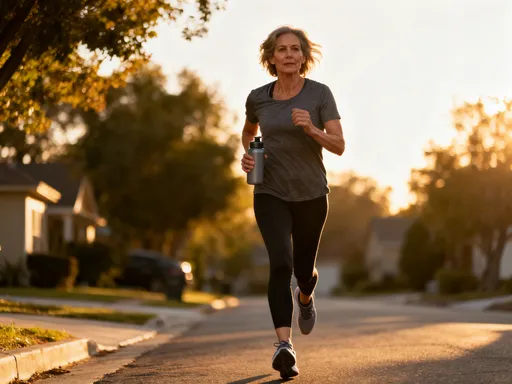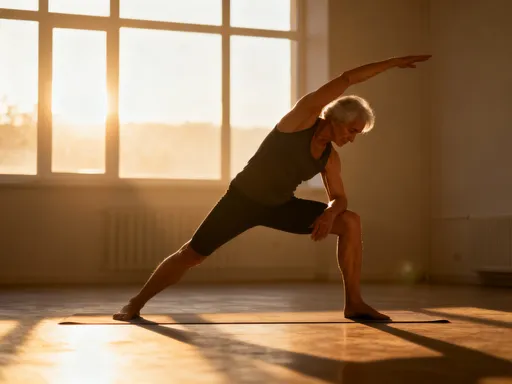
Aging is inevitable, but how we age is largely within our control. Many people assume anti-aging means expensive creams or treatments, but the real secret lies in movement. I’ve tested simple, science-backed exercises that improve energy, posture, and mobility—without extreme workouts. This isn’t about looking younger overnight; it’s about feeling stronger, more vibrant, and staying independent as years go by. Let me share what actually works.
The Truth About Aging and Movement
Many believe that aging automatically means stiffness, fatigue, and a gradual loss of independence. While time passes for everyone, the physical decline often associated with getting older is not an unavoidable fate. Research increasingly shows that how we move—or don’t move—through life plays a central role in how our bodies age. A sedentary lifestyle, more than time itself, accelerates signs of aging such as reduced muscle mass, joint pain, and low energy. In contrast, regular physical activity helps maintain cellular health, supports metabolism, and preserves functional ability well into later years.
One of the most powerful misconceptions is that aging equals deterioration. In reality, the human body is designed to adapt and strengthen with use. Muscles, bones, and even brain function respond positively to movement. For example, studies have found that older adults who remain physically active can maintain muscle mass and strength comparable to people decades younger. The key is consistent engagement. When movement becomes a regular part of daily life, the body continues to operate efficiently, delaying many of the conditions typically blamed on age alone.
Sedentary behavior, especially prolonged sitting, has been linked to increased inflammation, slower circulation, and a higher risk of chronic diseases such as type 2 diabetes and cardiovascular conditions. These factors contribute not only to poor health but also to the visible signs of aging, including weight gain, poor posture, and reduced vitality. The good news is that even small increases in daily movement can reverse these trends. Standing up regularly, walking short distances, or stretching throughout the day sends positive signals to the body’s systems, promoting circulation, joint lubrication, and metabolic balance.
Exercise, in this context, is not just about fitness—it’s a form of long-term self-care. It’s an investment in future independence, mobility, and quality of life. Viewing movement as a necessary part of daily wellness, much like eating well or sleeping enough, shifts the mindset from punishment to prevention. When women in their 30s, 40s, 50s, and beyond begin to see physical activity as a tool for sustaining energy and autonomy, they are more likely to embrace it as a lifelong habit rather than a temporary fix.
Why Exercise Is Your Best Anti-Aging Tool
Among all the anti-aging strategies available, exercise stands out as the most effective, accessible, and scientifically supported method. Unlike creams or supplements, which often promise more than they deliver, physical activity directly influences the biological processes that govern aging. One of the most compelling pieces of evidence comes from studies on telomeres—the protective caps at the ends of chromosomes that shorten as we age. Shorter telomeres are associated with cellular aging and a higher risk of age-related diseases. However, research published in the journal *Preventive Medicine* found that individuals who engaged in regular moderate-to-vigorous physical activity had significantly longer telomeres, equivalent to being up to nine years younger biologically.
In addition to cellular benefits, exercise reduces chronic inflammation, a key driver of aging and disease. Low-grade, systemic inflammation increases with age and is linked to conditions such as arthritis, heart disease, and cognitive decline. Regular movement helps regulate the immune system, lowering inflammatory markers like C-reactive protein. This means that consistent physical activity doesn’t just improve how you feel today—it actively slows the internal aging process at a molecular level.
From a functional perspective, exercise preserves the abilities that make daily life easier and safer. Strength, balance, and flexibility are critical for maintaining independence. Without them, simple tasks like carrying groceries, climbing stairs, or getting up from a chair become difficult. Inactivity leads to muscle atrophy, poor coordination, and increased fall risk. On the other hand, those who stay active experience better coordination, faster reaction times, and greater confidence in their physical abilities. The contrast between an inactive and an active lifestyle becomes especially clear in later years, where mobility often determines quality of life.
Beyond physical changes, exercise enhances mental and emotional well-being. It has been shown to improve sleep quality, support cognitive function, and reduce symptoms of anxiety and depression. These benefits are not secondary—they are essential components of healthy aging. A sharper mind, restful sleep, and emotional resilience contribute significantly to how vibrant and engaged a person feels as they grow older. Exercise is not just about looking or moving better; it’s about living better, with greater clarity, energy, and joy.
The Three Pillars of Anti-Aging Fitness
To build a truly effective anti-aging routine, it’s important to focus on three core components: strength training, cardiovascular health, and mobility work. Each of these pillars supports a different aspect of physical function, and together, they create a balanced foundation for long-term wellness. Neglecting any one area can leave gaps in overall fitness, making it harder to maintain independence and vitality over time. By integrating all three into a weekly routine, women can protect their bodies from age-related decline and enhance their daily quality of life.
Strength training is essential for preserving muscle mass, which naturally begins to decline after age 30. This loss, known as sarcopenia, accelerates after 50 and can lead to weakness, slower metabolism, and increased frailty. Resistance exercises—whether using body weight, resistance bands, or light weights—stimulate muscle fibers, prompting the body to maintain and even build strength. Strong muscles support joint stability, improve posture, and make everyday movements easier. They also play a crucial role in metabolic health, as muscle tissue burns more calories at rest than fat tissue, helping to manage weight and blood sugar levels.
Cardiovascular health is the second pillar, focusing on the heart, lungs, and circulatory system. Regular aerobic activity strengthens the heart muscle, improves circulation, and enhances oxygen delivery throughout the body. This leads to better stamina, reduced fatigue, and improved brain function. Activities like brisk walking, cycling, or swimming elevate the heart rate in a safe, sustainable way, promoting long-term heart resilience. The American Heart Association recommends at least 150 minutes of moderate-intensity aerobic activity per week, a goal that can be achieved in manageable 30-minute sessions five times a week.
Mobility work is often overlooked but equally vital. It includes stretching, joint movements, and balance exercises that maintain flexibility and coordination. Stiff joints and poor balance increase the risk of falls, one of the leading causes of injury in older adults. Mobility exercises help keep connective tissues supple, improve range of motion, and enhance body awareness. Simple practices like gentle yoga, tai chi, or daily stretching routines can make a significant difference over time. When combined with strength and cardio, mobility ensures that the body moves fluidly, safely, and with confidence.
Simple Strength Moves You Can Start Today
Building strength doesn’t require a gym membership or expensive equipment. Some of the most effective exercises use only body weight and can be done at home with minimal space. For women looking to start a strength routine, three foundational movements are especially beneficial: bodyweight squats, wall push-ups, and resistance band rows. These exercises target major muscle groups—legs, chest, back, and core—while being gentle on the joints and easy to modify based on fitness level.
Bodyweight squats work the glutes, thighs, and core. To perform one correctly, stand with feet shoulder-width apart, lower the hips back and down as if sitting into a chair, keeping the chest lifted and knees aligned over the toes. Aim for 10 to 15 repetitions, gradually increasing over time. If full squats are challenging, start with partial range or use a sturdy chair for support. This movement strengthens the lower body, improves balance, and makes daily activities like climbing stairs or standing from a seated position easier.
Wall push-ups are a safe alternative to floor push-ups and ideal for beginners. Stand facing a wall, place hands on it at shoulder height, and perform a controlled push-up motion. This exercise builds upper body strength, supports shoulder stability, and promotes good posture. Aim for 10 to 12 repetitions, focusing on controlled movement rather than speed. As strength improves, the exercise can be progressed by moving to a countertop or eventually the floor.
Resistance band rows target the upper back and shoulders, muscles that often weaken with age and poor posture. Sit or stand with a resistance band under the feet, hold the ends, and pull the elbows back while squeezing the shoulder blades together. This motion counters the forward hunch that comes from sitting and using devices. Perform 10 to 12 reps, maintaining a straight spine. Resistance bands are affordable, portable, and offer adjustable tension, making them ideal for home use.
For best results, aim to do strength exercises two to three times per week, allowing at least one rest day between sessions. Consistency matters more than intensity—small, regular efforts lead to lasting changes. Over time, these simple movements build functional strength, boost confidence, and support independence in daily life.
Cardio That Doesn’t Feel Like Punishment
Cardiovascular exercise doesn’t have to mean running on a treadmill or high-intensity interval training. For many women, especially those new to fitness, low-impact activities are more sustainable and enjoyable. Brisk walking, cycling, swimming, and water aerobics are excellent options that elevate the heart rate without straining the joints. These activities can be easily integrated into daily life, turning routine moments into opportunities for movement.
Walking is one of the most accessible forms of cardio. A 30-minute brisk walk five days a week meets the recommended weekly goal of 150 minutes. To increase intensity, walk on inclines, pick up the pace, or add short bursts of faster walking. Cycling, whether outdoors or on a stationary bike, provides a smooth, joint-friendly workout that strengthens the legs and improves endurance. Water-based activities like swimming or water aerobics offer resistance while reducing impact, making them ideal for those with joint concerns.
The benefits of regular cardio extend beyond the heart. Improved circulation enhances brain health by delivering more oxygen and nutrients to brain cells. Studies have linked aerobic exercise to better memory, focus, and reduced risk of cognitive decline. It also supports emotional well-being by releasing endorphins, natural mood boosters that help reduce stress and improve sleep.
One of the keys to making cardio stick is to find ways to enjoy it. Instead of viewing it as a chore, reframe it as personal time—a chance to listen to music, enjoy nature, or chat with a friend. Walking meetings, gardening, dancing while cooking, or taking the stairs instead of the elevator all count as valid forms of movement. The goal is to stay consistently active, not to achieve perfection. When cardio becomes a natural part of the day, it no longer feels like exercise—it feels like living.
Mobility and Balance: The Hidden Anti-Aging Keys
While strength and cardio often get the most attention, mobility and balance are the unsung heroes of healthy aging. These elements are critical for preventing falls, maintaining independence, and preserving the ability to move freely. Poor balance and stiff joints increase the risk of injury and limit participation in daily activities. Yet, with simple, daily practices, both can be significantly improved, even later in life.
Balance training involves exercises that challenge stability, such as standing on one leg, heel-to-toe walks, or gentle tai chi movements. These activities improve coordination, strengthen stabilizing muscles, and enhance body awareness. A simple way to start is by standing on one foot while brushing teeth—just 30 seconds per side can make a difference over time. As balance improves, the risk of falls decreases, and confidence in movement increases.
Mobility work focuses on joint range of motion and flexibility. Seated spinal twists, shoulder rolls, ankle circles, and gentle stretches help keep connective tissues supple and reduce stiffness. Unlike intense stretching, mobility exercises are gentle and can be done daily, even in small doses. For example, spending five minutes in the morning or evening stretching the neck, shoulders, hips, and legs can improve posture and reduce discomfort from sitting.
These practices may seem minor, but their cumulative effect is powerful. Better balance means greater confidence in walking, climbing stairs, or carrying objects. Improved mobility allows for easier bending, reaching, and turning—movements that are essential for self-care and household tasks. When women prioritize these often-overlooked aspects of fitness, they build a foundation for lifelong independence and ease of movement.
Making It Stick: Habits That Last
Starting an exercise routine is one thing; maintaining it is another. Many women begin with enthusiasm but struggle to stay consistent due to time constraints, lack of motivation, or uncertainty about how to progress. The key to long-term success lies in building sustainable habits, not short-term fixes. One effective strategy is habit stacking—pairing a new behavior with an existing one. For example, doing a few stretches after brushing teeth, taking a short walk after lunch, or doing wall push-ups while waiting for the kettle to boil.
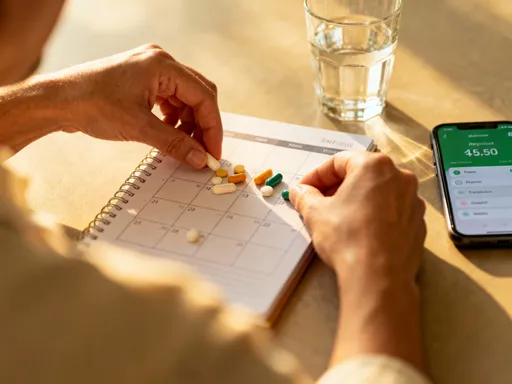
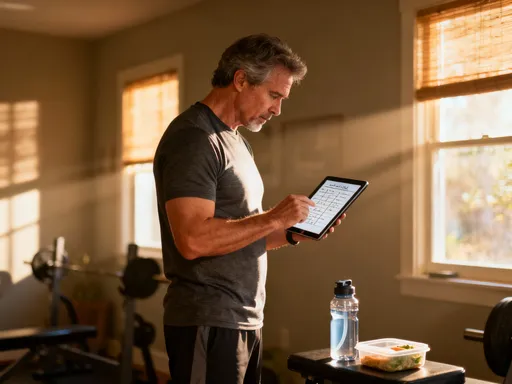
Another powerful tool is tracking progress in meaningful ways. Rather than focusing solely on weight, pay attention to how clothes fit, energy levels, sleep quality, or ease of movement. These indicators often reflect real improvements before the scale does. Keeping a simple journal or using a calendar to mark completed sessions can also boost motivation by providing a visual record of consistency.
It’s also important to be flexible and kind to oneself. Missing a day doesn’t mean failure—it’s part of the process. The goal is progress, not perfection. On days when a full routine isn’t possible, even five minutes of movement counts. Over time, these small efforts add up, creating lasting change.
For those with health concerns or uncertainty about starting, consulting a physical therapist or certified trainer can provide personalized guidance and ensure safety. Professionals can help modify exercises, correct form, and create a plan that fits individual needs and goals. This support can be especially valuable for women managing joint issues, recovering from injury, or returning to activity after a long break.
Conclusion: Aging With Strength, Not Fear
Movement is the most powerful, accessible anti-aging strategy available. It doesn’t require expensive treatments, special diets, or drastic lifestyle changes. What it does require is consistency, intention, and a shift in mindset—from seeing exercise as a chore to viewing it as an act of self-respect and long-term care. The benefits go far beyond appearance; they touch every aspect of health, from cellular function to emotional well-being.
Aging is not something to resist or fear. It is a natural part of life that can be met with strength, resilience, and grace. By incorporating strength, cardio, and mobility into daily routines, women can preserve their independence, enhance their energy, and enjoy a higher quality of life at every stage. Small steps taken today—like a short walk, a few squats, or a moment of stretching—build a foundation for a more vibrant, capable future.
The journey doesn’t have to be perfect. It just has to begin. And it should always begin with a conversation—with a healthcare provider, a trusted professional, or even with oneself—about what kind of life you want to live as the years go by. With the right support and a commitment to movement, aging can be not a decline, but a continued evolution of strength, confidence, and well-being.